Cheer Family Wavy Retro SVG: A Designer’s Review
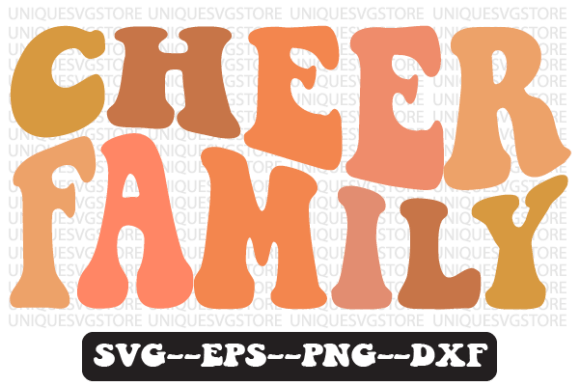
As a designer who spends half my life staring at stitch simulations and the other half untangling thread nests, I have learned to look past the glossy marketing thumbnails. When I first pulled up the Cheer Family Wavy Retro Svg Design, my initial reaction was not just about aesthetics; it was about viability. In the world of Crafts and Graphics, there is a distinct difference between an image that looks good on a screen and a design that translates beautifully into thread. This particular asset caught my eye because of its bold, flowing lines and nostalgic typography, but the real question remained: how does it hold up under the needle?
I recently had a client request a set of matching sweatshirts for a family reunion with a retro theme. They wanted something that felt vintage but modern, playful yet cohesive. The Cheer Family Wavy Retro Svg Design seemed like the perfect candidate. However, before committing to cutting expensive fleece or running a full production batch for an Etsy shop, I needed to evaluate its structural integrity as a machine embroidery design. Here is my practical breakdown of using this graphic for real-world projects.
First Impressions and Visual Mood
The immediate appeal of this design lies in its wavy, distorted typography. It captures that specific mid-century modern vibe that is currently dominating home decor and apparel trends. For embroidery, this is both a blessing and a challenge. The curves are smooth, which suggests that satin stitches could flow nicely without excessive jaggedness. However, the "wavy" nature means the text is not on a straight baseline. This requires careful placement. If you center this haphazardly on a chest pocket, it might look tilted rather than stylized.
The mood is undeniably cheerful and energetic. It fits perfectly into the category of personalized gifts where emotional connection matters. Whether you are creating a holiday embroidery piece for a niece or a boutique branding item for a local cafe, the design communicates warmth. But remember, visual personality in a digital file does not always equal stitching clarity. The thick strokes suggest it can handle fill stitches well, but the thinner connecting lines need scrutiny.
Real-World Application: From Screen to Stitch
To test its versatility, I imagined this design on several common substrates. For a custom embroidered tote bag, the bold lines would stand out against canvas texture. Canvas has a weave that can sometimes swallow fine details, but the substantial weight of the retro lettering here should remain legible. On a sweatshirt, however, the pile of the fleece adds another layer of complexity. A design like this needs sufficient density to prevent the fabric from showing through, but not so much density that it creates a stiff, cardboard-like patch on a soft garment.
If you are an Etsy seller or small shop owner, you know that customer trust hinges on the finished product's quality. A blurry or poorly stitched logo can damage your brand consistency. I recommend using this design for items where the scale can be generous. Think large back prints on hoodies or central motifs on pillow covers. Avoid shrinking it down for tiny embroidered patches unless you simplify the stitch path significantly. The intricate waves might merge if the hoop size is too small, turning distinct letters into an unreadable blob.
Fabric and Surface Considerations
Not all fabrics behave the same way. When working with stretchy fabric like jersey for t-shirts or onesies, stabilization is non-negotiable. The wavy lines of the Cheer Family Wavy Retro Svg Design require a stable base to maintain their shape. Without proper stabilizer, the tension of the thread could pucker the fabric, distorting the retro aesthetic into something messy. For dark fabric, thread color contrast becomes critical. A light pastel thread on black cotton will pop, but ensure your digitizing accounts for underlay stitches to prevent the dark background from peeking through the fill areas.
Curved surfaces, such as caps or hats, present a unique challenge. The design’s horizontal flow might warp when applied to the curved front panel of a baseball cap. I advise creating a 3D mockup or testing on a scrap piece of similar curvature before committing to the final product. Layered garments, like a hoodie with a thick seam, also require careful hoop positioning to ensure the design remains flat and even.
Technical Notes for the Embroidery Designer
Before you load this into your machine, take a moment to review the technical specifics. Since the product description mentions it is a printable PNG and sublimation design, you may need to convert or digitize it for machine use if a native embroidery file is not provided. If you are digitizing it yourself, pay close attention to stitch density. High density looks lush but adds weight; low density saves time but risks gaps. Test the design on scrap fabric first. This simple step saves hours of frustration and wasted material.
Check thread color contrast by viewing the design in black and white. If the elements blend together in grayscale, they will likely lack definition in thread. Inspect small details closely. Are there tiny corners that require sharp stops? These areas are prone to bird nesting if not programmed correctly. Also, confirm licensing before selling finished items or digital products. Just because a file is available for purchase does not automatically grant commercial rights for mass production.
- Test on scraps: Always run a trial stitch on the actual fabric type you plan to use.
- Stabilizer choice: Use cut-away stabilizer for stretchy knits and tear-away for woven cottons.
- Hoop size: Ensure your hoop accommodates the full width of the wavy text without cropping.
- Thread selection: Polyester threads offer durability for items like tote bags that undergo frequent washing.
Enhancing Product Value and Appeal
When used correctly, this design elevates the perceived value of your handmade product. It moves beyond generic clip art into the realm of custom apparel artistry. Buyers engage more with designs that feel intentional and well-executed. For a craft business, offering this on high-quality blanks like premium towels or heavy-weight tees can justify a higher price point. The retro trend is not fading anytime soon, making this a smart addition to your design assets library.
However, realism is key. Do not promise perfection on difficult fabrics without testing. Be transparent with your customers about the handmade nature of the item. A slight variation in stitch direction can add charm, but major distortions signal poor technique. By respecting the limitations of the medium and the strengths of the Cheer Family Wavy Retro Svg Design, you create a finished product that delights customers and builds your reputation as a skilled artisan.
In conclusion, this graphic holds significant potential for creative entrepreneurs. It is versatile enough for nursery decor, bold enough for streetwear, and charming enough for baby embroidery. But its success depends entirely on your execution. Treat it with the respect any professional machine embroidery design deserves: plan, test, adjust, and then stitch with confidence. Your attention to detail will transform a simple digital file into a cherished tangible object.