Reviewing Busy Being Petty Wavy Retro SVG for Embroidery
As a designer who spends half my life digitizing and the other half stitching, I have learned to look past the flashy preview images. We all know that what looks crisp on a screen does not always translate cleanly to fabric. When I first encountered Busy Being Petty Wavy Retro Svg Design, my initial reaction was curiosity mixed with caution. The wavy, distorted typography trend is everywhere in Graphics right now, but translating those fluid, warped lines into thread requires a keen eye for detail. This is not just a digital asset; it is a potential centerpiece for a handmade product that needs to hold up under the needle.
The Visual Personality and First Impressions
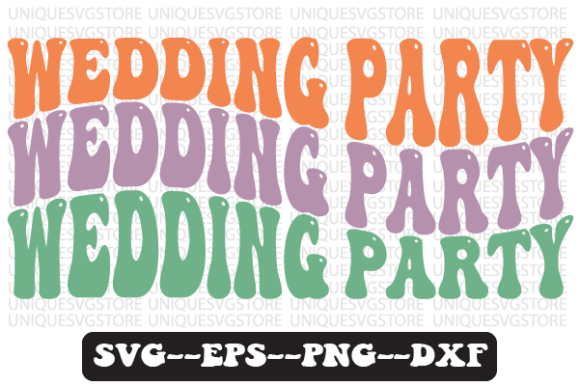
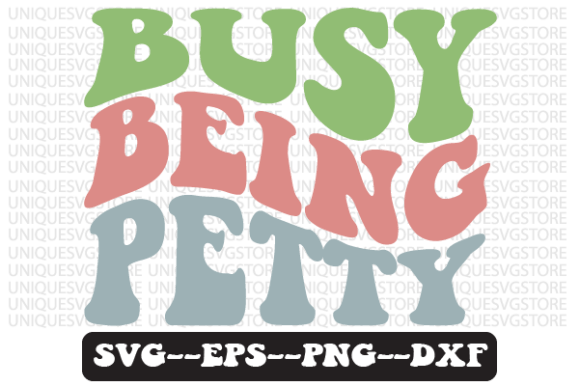
The mood of this design is unapologetically bold. It captures that specific late-90s, early-2000s aesthetic that resonates deeply with current fashion trends. The phrase itself suggests attitude, making it perfect for clients who want their custom apparel to speak for them. Visually, the waves create movement, which is dynamic but dangerous in embroidery. If the curves are too tight or the text too condensed, you risk thread breaks or puckering. However, the layout here feels balanced. It has enough breathing room between the letters to allow for proper stitch formation, which is a relief for anyone planning to use this as a machine embroidery design.
I imagine this working beautifully on a cream-colored canvas tote bag design or a structured sweatshirt. The retro vibe pairs well with muted, earthy thread colors or high-contrast black and white. It is not delicate; it is statement-making. For an Etsy seller or small shop product creator, this kind of visual punch helps your listing stand out in a crowded marketplace.
Real-World Application: The Sweatshirt Test
Let’s walk through a real scenario. A client requests a personalized gift for a friend who loves sarcastic humor and vintage styles. They want a sweatshirt embroidery piece that feels boutique-quality. I load the Busy Being Petty Wavy Retro Svg Design into my digitizing software to assess its viability. Since the source is listed as a Printable png Sublimation Design and SVG, I am not starting with a pre-digitized embroidery file. This means I must convert the vector paths into stitches myself.
The wavy nature of the text means I cannot rely on simple block lettering. I need to use a combination of satin stitch for the thinner parts of the letters and potentially a fill stitch for broader areas if I scale it up. The challenge lies in maintaining the legibility of the "petty" message while respecting the wave distortion. If I make the satin columns too wide, they will snag. If I make them too narrow, they might not cover the fabric properly. This is where experience matters. I would recommend testing this on a medium-weight cotton blend first, using a cut-away stabilizer to prevent distortion during washing.
Fabric Considerations and Stitch Density
One of the most critical aspects of using any graphic from the Crafts category for embroidery is understanding fabric texture. This design features continuous curves. On a smooth twill or dense fleece, it will look sharp. On a loose-knit linen or a thin, stretchy jersey, it could pull and pucker if the stitch density is not adjusted correctly.
If you are planning to use this on a baby embroidery item, such as a onesie, proceed with care. Babies have sensitive skin, and dense stitching can feel scratchy. You might consider scaling the design down and using a softer thread, like rayon or polyester, to ensure comfort. For holiday embroidery gifts, such as pillow covers or aprons, the design holds up well because these items do not undergo the same rigorous stretching as fitted clothing. However, always check how the waves interact with the seam lines of your garment. Placing a large, wavy design over a side seam can lead to misalignment.
Commercial Viability and Brand Consistency
For commercial embroidery projects, consistency is key. If you are building a brand around retro aesthetics, Busy Being Petty Wavy Retro Svg Design fits seamlessly into that narrative. It enhances brand consistency because it aligns with current cultural trends. Customers trust products that look current and professionally finished. A clean, well-stitched version of this design signals quality. It increases the perceived value of your finished product, allowing you to price your items competitively.
However, remember that this is originally a sublimation and print design. When adapting it for embroidery, you are creating a new design asset. Ensure you have the rights to modify and sell the embroidered version. Many digital embroidery file creators offer specific licenses for commercial use. Always verify this before listing your personalized gift items on platforms like Etsy. Your reputation as a craft business owner depends on respecting intellectual property.
Practical Designer Notes for Execution
Before you commit to stitching this on a final product, follow these practical steps:
- Test on Scrap Fabric: Never skip this. Stitch the design on the exact same material and weight you plan to use for the final item.
- Check Thread Contrast: Because of the wavy shape, low contrast between thread and fabric can make the text hard to read. Use a printable mockup to visualize different thread colors before threading your machine.
- Inspect Small Details: Zoom in on the curves. Are there any anchor points that are too close together? Adjust your digitizing to prevent thread bunching.
- Confirm Hoop Size: Ensure the design fits comfortably within your hoop size without hitting the edges. Leave at least an inch of margin for stability.
- Use Proper Stabilizer: For wavy designs, a stable base is crucial. A tear-away might suffice for sturdy fabrics, but cut-away is safer for stretchy materials like hoodies.
Final Verdict on Usability
Busy Being Petty Wavy Retro Svg Design is a strong contender for modern embroidery projects, provided you approach it with technical precision. It is not a plug-and-play solution if you are expecting a pre-digitized file, but it is an excellent foundation for creating unique embroidered patch styles or direct-to-garment embroidery. Its strength lies in its personality and trend relevance. For apparel decorators and creative entrepreneurs, it offers a chance to produce items that feel fresh and engaging.
Whether you are making a custom apparel line or a one-off personalized gift, this design demands respect for the medium. Treat the waves with careful digitizing, choose your fabrics wisely, and you will end up with a product that not only looks good but feels substantial and well-made. In the world of Graphics and Crafts, bridging the gap between digital intent and tactile reality is where true craftsmanship shines. This design gives you the tools to do just that, as long as you are willing to put in the preparatory work.