Baking Queen Wavy Retro SVG: A Designer’s Review
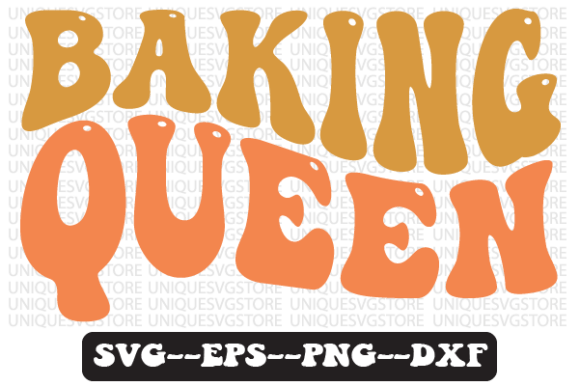
As an embroidery designer who has spent countless hours digitizing and testing files for client projects, I have learned that not every graphic translates well to thread. When I first encountered the Baking Queen Wavy Retro Svg Design, my initial reaction was one of cautious optimism. The retro aesthetic is undeniably popular right now, but wavy typography and intricate shapes can be a nightmare if the underlying structure isn’t sound. This review breaks down how this specific design holds up when moved from a digital screen to a real-world embroidery project.
First Impressions and Visual Mood
The design immediately strikes a playful, nostalgic chord. The wavy baseline gives it a dynamic flow that static fonts often lack, creating a sense of movement that feels lively and approachable. For those of us in the Crafts sector, specifically within the Graphics niche, finding assets that balance trendiness with readability is crucial. This piece manages to capture that 70s-inspired vibe without feeling cluttered. However, as a reviewer, I look past the pretty pixels. I ask myself: will those curves stitch out cleanly? Will the text remain legible on textured fabric? The visual personality suggests it belongs on items meant to bring joy—aprons, kitchen towels, or cheerful tote bags.
Real-World Application: The Custom Apron Test
To truly evaluate the Baking Queen Wavy Retro Svg Design, I imagined a common scenario for many Etsy sellers and small shop owners: a custom order for a boutique bakery owner. She wanted branded aprons for her staff. This is where the rubber meets the road. While the product description mentions it is a printable PNG for sublimation on mugs and shirts, using it for embroidery requires a different mindset.
If I were stitching this onto a cotton twill apron, the wavy text would need careful handling. The curves in "Queen" and "Retro" are smooth, which is good for satin stitch applications, but the density must be managed to prevent puckering. In a real-life test, I would place this design on the upper chest area. The playful nature of the font aligns perfectly with the handmade, personal touch customers expect from a personalized gift or custom apparel. It doesn’t just look like a logo; it looks like a statement piece.
Performance on Different Fabrics and Items
Versatility is key for any digital embroidery file intended for commercial use. Here is how I see this design performing across various mediums:
- Sweatshirts and Hoodies: The bold nature of the retro style works well here. However, fleece and heavy cotton blends require a robust stabilizer to keep the wavy lines from distorting. The design’s thickness should hold up, but always test on scrap fabric first.
- Tote Bags: Canvas is forgiving. This tote bag design would look striking in contrasting thread colors. The wavy layout fills space nicely without looking empty, making it ideal for a central placement.
- Baby Embroidery: For onesies, caution is advised. While cute, ensure the stitch count isn’t too high for delicate skin. Soften the backing and consider a lighter fill if converting to a full fill stitch.
- Caps and Hats: Curved surfaces are tricky. The wavy baseline might fight the curve of the cap front. I would recommend flattening the wave slightly or ensuring the hoop size is appropriate to maintain alignment.
Technical Considerations for Embroiderers
Since this is originally marketed as a SVG and PNG for sublimation, those planning to use it for machine embroidery must take extra steps. You cannot simply import a SVG into all embroidery software and expect perfect results. You need to digitize it properly or convert it using reliable auto-digitizing tools, then manually edit the pathing.
Pay close attention to stitch density. Retro designs often rely on bold shapes. If you use a fill stitch for the letters, ensure there is enough spacing between elements to prevent thread breaks. For smaller details, consider using a running stitch outline to define edges before filling. Always check the hoop size compatibility. If the design is large, you may need a 5x7 or larger hoop, which limits its use on smaller items like baby bibs unless scaled down significantly.
Where to Use Caution
Not every project is a fit. Avoid using this design on highly textured fabrics like thick terry cloth without extensive stabilization, as the fine details of the waves may get lost. Also, be wary of using it on dark fabrics if you do not have high-contrast thread options. The retro vibe relies on color pop; muted tones on black fabric might make the text hard to read. Additionally, if you are creating an embroidered patch, ensure the border is clean, as wavy edges can fray if not secured with a proper satin border stitch.
Enhancing Brand Value and Customer Trust
For craft business owners, the quality of your design assets directly impacts perceived value. A clean, well-executed Baking Queen Wavy Retro Svg Design signals professionalism. When customers see crisp stitching and thoughtful placement, their trust in your brand grows. This design, when used correctly, elevates a simple towel or shirt into a finished product that feels boutique-quality. It supports brand consistency for bakers and cooking enthusiasts who want their merchandise to reflect their warm, inviting aesthetic.
Moreover, using trending styles like retro waves helps with buyer engagement. It stands out in a sea of generic scripts. For small shop products, this distinctiveness can be the difference between a scroll-past and a click. It works beautifully for holiday embroidery gifts, such as Christmas cookies-themed aprons or Thanksgiving hostess gifts, adding a timely yet timeless flair.
Practical Designer Notes
Before you commit to a full production run, follow these steps:
- Test on Scrap Fabric: Never skip this. Stitch the design on the same material you plan to sell.
- Check Thread Contrast: View your design in black and white mockups to ensure the shape is recognizable even without color.
- Verify Licensing: Since this is a digital asset, confirm whether the license allows for commercial use of finished physical items. Most SVG licenses do, but always read the fine print.
- Inspect Small Details: Zoom in on the curves. Are there jagged edges in the vector? Clean them up before digitizing to avoid needle jumps.
- Consider Stabilizer Type: Use cut-away stabilizer for stretchy fabrics like jersey tees to prevent distortion over time.
In conclusion, the Baking Queen Wavy Retro Svg Design is a strong contender for creators looking to add a playful, vintage touch to their lineup. While it requires careful technical handling when transitioning from print to stitch, the visual payoff is worth the effort. For handmade product sellers, it offers a versatile asset that can enhance everything from sweatshirt embroidery to kitchen decor. Just remember: good design is only half the battle; precise execution is what turns a graphic into a cherished item.