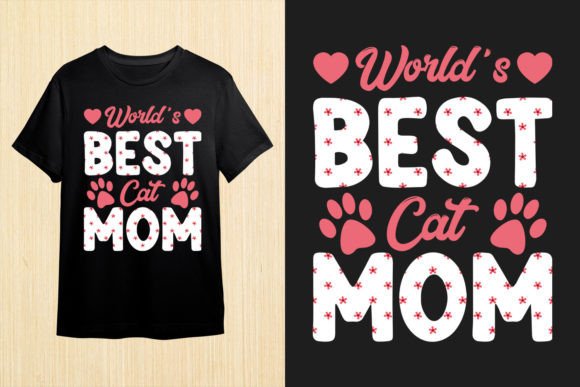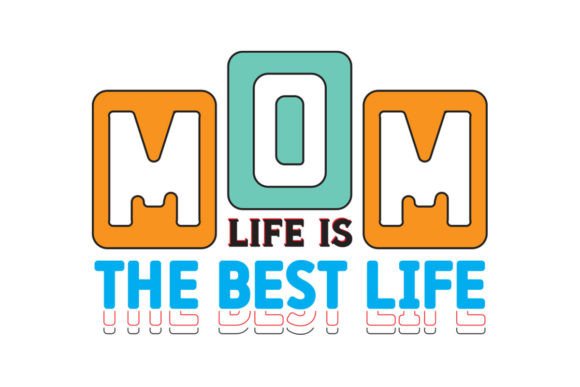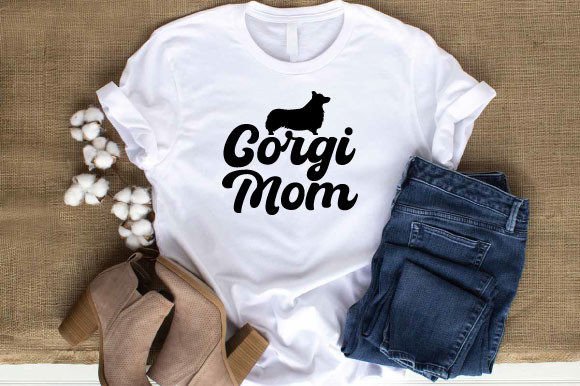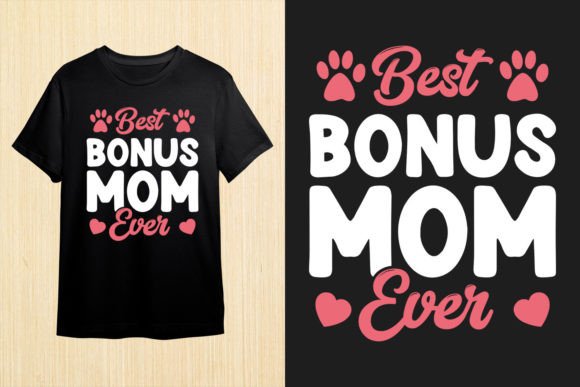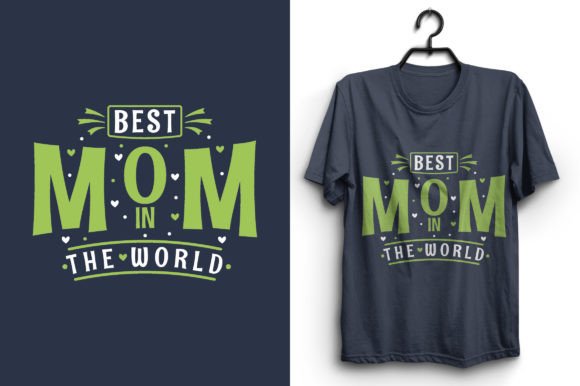
Reviewing the Best Mom in the World T-shirt Design for Embroidery
As a designer who spends half my life staring at digitized files and the other half watching needles punch through fabric, I have developed a keen eye for what works in the real world. We often see T-Shirt Designs that look stunning on a screen but fail miserably under the presser foot. Today, I am taking a close look at the Best Mom in the World T-shirt Design. This is not just about aesthetics; it is about practical application for crafters, Etsy sellers, and anyone looking to create high-quality handmade products.
First Impressions and Visual Personality
When I first opened the file package, my immediate thought was about versatility. The phrase "best mom in the world" is a classic sentiment, but its execution determines whether it feels like a generic souvenir or a cherished keepsake. This design leans into a clean, readable layout that prioritizes clarity. For embroidery, clarity is king. Complex scripts can bleed together when stitched out, especially on textured fabrics, but this design appears to have sufficient spacing between letters.
The mood is warm and celebratory without being overly cutesy. This makes it suitable for a wide demographic, from new mothers to grandmothers. As a piece of Graphics intended for conversion into stitch data, it offers a solid foundation. The simplicity of the quote allows the texture of the thread to take center stage, which is exactly what we want in premium custom apparel.
Real-World Application: The Sweatshirt Test
To truly evaluate this design, I imagined a specific scenario: a custom order for a cozy, oversized sweatshirt for Mother’s Day. This is a common request for any craft business owner. The Best Mom in the World T-shirt Design needs to hold up against the heavy pile of fleece or French terry cloth.
In this context, the design performs well because it does not rely on microscopic details that would get lost in the fabric nap. If you are using this as a sweatshirt embroidery project, I recommend using a slightly higher stitch density for the fill areas to ensure the text pops against the background. However, be cautious with satin stitch borders if the font is thin; too much width can cause the thread to bridge and snag. A narrow running stitch outline might serve better here to define the edges without adding bulk.
Versatility Across Product Lines
One of the strongest assets of this design is its adaptability. It is not limited to shirts. I can easily see this working as a central motif on a canvas tote bag design. The sturdy nature of canvas handles fill stitch areas beautifully, allowing the thread sheen to catch the light. For an Etsy seller, offering this on tote bags adds a functional, everyday item to their shop alongside traditional apparel.
Consider also the market for baby embroidery. While the phrase is universal, scaling it down for a onesie or a burp cloth requires careful attention to hoop size. You must ensure that the smallest elements of the design remain legible at a reduced scale. If the original file is large, test a 50% reduction on scrap fabric before committing to a final personalized gift. Additionally, this design could work wonderfully on an apron, turning a kitchen staple into a sentimental holiday embroidery project for Christmas or Mother’s Day.
Technical Considerations for Stitching
Let us talk about the technical side. The product description mentions that the design is easy to change color. This is crucial for thread colors management. When digitizing or preparing this machine embroidery design, always check the color sequence. For dark garments, you may need to add an underlay or use a lighter thread color to ensure visibility. Conversely, on white cotton, a deep navy or burgundy provides excellent contrast.
Pay close attention to stitch density. If the design has dense areas where letters overlap or touch, you risk creating a stiff patch that pulls the fabric. Use your machine’s editing software to reduce density in overlapping zones. Always use the appropriate stabilizer. For stretchy knits like t-shirts, a cut-away stabilizer is non-negotiable to prevent distortion after washing. For woven fabrics like pillow covers or tea towels, a tear-away may suffice, but test first.
Where to Use Caution
While versatile, this design is not without its limitations. Avoid using it on highly textured materials like bouclé or thick chenille unless you are experienced with hooping techniques that accommodate pile. The embroidery file formats provided include SVG, PNG, EPS, PDF, and DXF. Note that these are primarily vector and image formats. If you are a digitizer, these are perfect starting points. If you are an embroiderer expecting a ready-to-stitch DST or PES file, you will need to digitize this yourself or confirm if a stitched format is included in the full package. Always verify the specific digital embroidery file types compatible with your machine.
Be wary of placing this design on curved surfaces like caps unless you have a cap frame and experience with 3D puff or flat embroidery on structured panels. The curvature can distort the text, making "world" look warped. For embroidered patch creation, however, it is ideal. Patches allow for dense stitching and stiff backing, which preserves the integrity of the lettering.
Commercial Viability and Brand Consistency
For small shop product lines, consistency is key. This design fits well within a broader collection of family-centric design assets. It projects professionalism because it is clean and legible. Customers trust designs that look crisp. A blurry or poorly stitched message undermines the perceived value of the finished product.
Before listing this on your store, create printable mockup images that show the texture of the thread. Buyers want to see the tactile quality of the embroidery. Highlight that this is a handcrafted item, not a printed transfer. The value lies in the time and skill required to produce each embroidery project.
Final Designer Notes
Before you run a full production batch, follow these steps:
- Test on scrap fabric: Always stitch a sample on the exact material you plan to sell.
- Check licensing: Confirm if the license allows for commercial use of finished physical items. Most designers allow this, but digital resale is usually prohibited.
- Inspect small details: Zoom in on the vector files to ensure no stray nodes or open paths exist before digitizing.
- Contrast check: View the design in black and white to ensure the shape holds up without color reliance.
The Best Mom in the World T-shirt Design is a solid choice for creators who value clarity and emotional resonance. It respects the medium of embroidery by keeping shapes distinct and manageable. Whether you are creating a custom apparel line or a one-off personalized gift, this design offers the reliability needed for professional results. Treat it with the technical care it deserves, and it will become a staple in your portfolio of T-Shirt Designs and beyond.