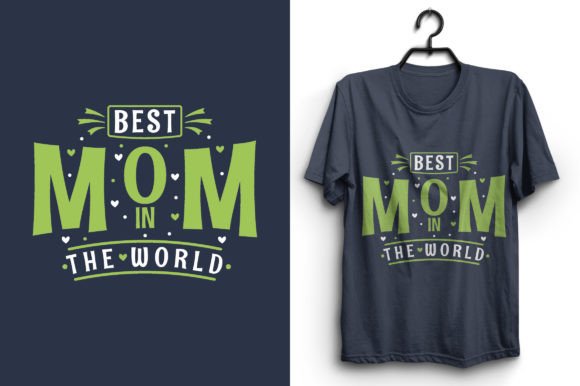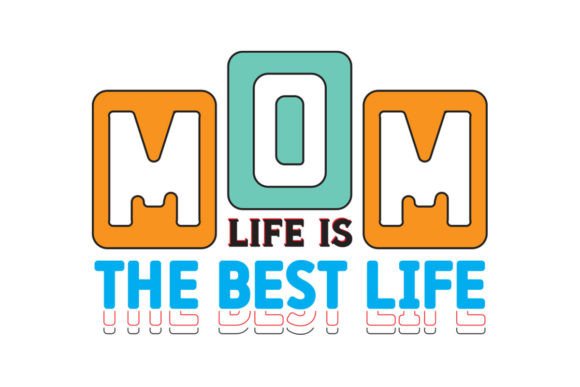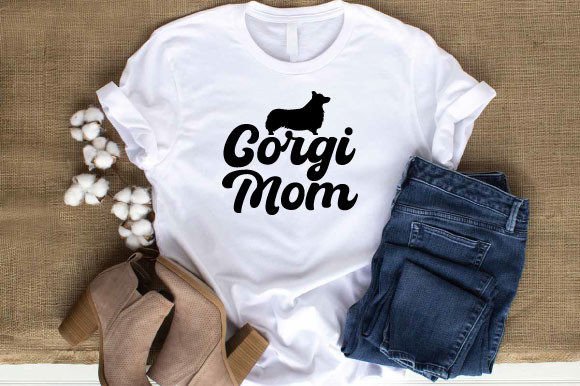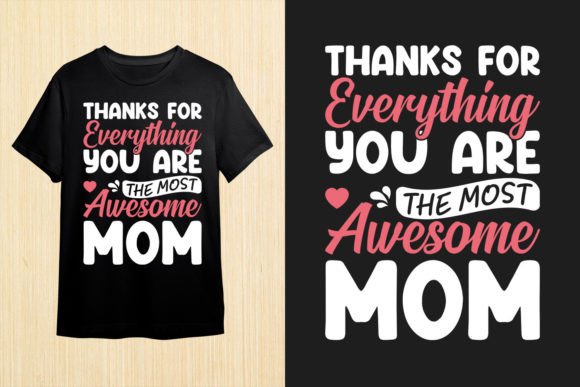
Reviewing the Best Bonus Mom Ever Design
As a designer who spends more time staring at stitch simulations than actual fabric, I have learned that not every graphic translates well to thread. When I first pulled up the Best Bonus Mom Ever. Mom T Shirt Design, my initial reaction was cautious optimism. The concept is emotionally resonant, targeting a specific and growing demographic of blended families, but the execution determines whether it becomes a cherished keepsake or a stiff, unreadable mess on a garment.
This review evaluates the design from the perspective of real-world application. We are not just looking at pixels; we are looking at how this Graphics asset behaves when converted into a physical machine embroidery design for client projects, handmade products, and small business merchandise.
First Impressions and Visual Personality
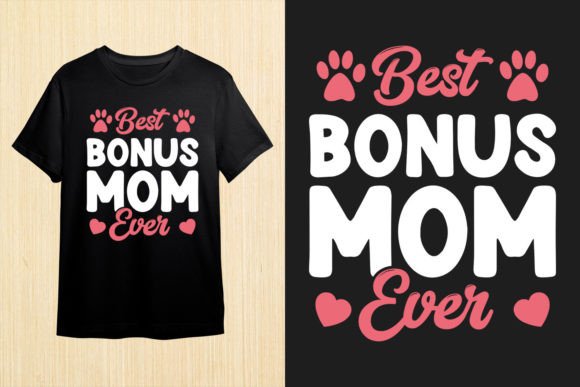
The mood of this piece is warm, inclusive, and celebratory. It avoids the overly cursive scripts that often plague Mother’s Day designs, opting instead for a layout that suggests clarity and modern affection. For an embroidery designer, this is crucial. Complex, swirling fonts can look beautiful on screen but often result in tangled threads and poor legibility on textured fabrics.
The visual personality here feels balanced. It is bold enough to be read from a distance, yet intimate enough for a personalized gift. When considering this as a T-Shirt Designs asset, the spacing between letters appears generous. This is a positive sign for digitizers, as it allows for clean satin stitches or manageable fill stitches without the risk of the text merging into a solid blob during stitching.
Real-World Application: The Sweatshirt Test
To truly judge a design, you must imagine it on a difficult surface. I mentally placed this quote on a mid-weight cotton blend sweatshirt, a popular item for boutique branding and holiday gifts. The challenge with sweatshirts is the pile of the fabric and the stretch of the cuffs and hem.
If this design were digitized with high stitch density, it would pull the fabric, causing puckering around the letters. However, given the open nature of the typography seen in the preview, it lends itself well to a combination of techniques. A skilled digitizer might use a satin stitch for the outline and a light fill for the interior, or even incorporate an applique design element where the text is cut from felt and stitched down with a running stitch border. This reduces bulk and maintains the softness of the garment, which is critical for comfort.
For Etsy sellers and craft business owners, this versatility is key. A design that works on a heavy hoodie may fail on a thin baby onesie. This particular layout seems robust enough to scale down for a left-chest logo on a cap or scale up for a full-back statement on a tote bag.
Navigating Fabric and Hoop Constraints
While the design is strong, there are areas where caution is required. If you are working with a small hoop size, such as a 4x4 inch hoop for a baby embroidery project, you must ensure the aspect ratio remains intact. Compressing the design too much will close up the negative space between letters, making the quote illegible.
Textured fabrics like terry cloth towels or waffle-knit aprons present another challenge. On these surfaces, fine details get lost. I recommend using a stabilizer that matches the fabric weight—cut-away for stretchy knits and tear-away for stable wovens. Before committing to a final embroidery project, always test the design on scrap fabric. Check the thread color contrast against both light and dark backgrounds. A white thread on a white shirt may look elegant in a mockup but vanish in real life without proper underlay stitching.
Commercial Viability and Customer Trust
For small shop product creators, the perceived value of the finished product is paramount. A clean, professional-looking embroidery job builds customer trust. Sloppy stitching, caused by a poorly digitized file or inappropriate fabric choice, undermines the brand. This design, with its clear message and balanced layout, supports a high-quality finish if handled correctly.
It fits seamlessly into categories like wedding gifts, where bonus moms are increasingly recognized, or as a standalone appreciation gift. The emotional hook is strong, which drives buyer engagement. However, remember that the file provided is a PNG. This is a crucial distinction for digital product sellers and apparel decorators.
Important Note on File Format: The product description lists "1 PNG File 300 dpi." This is a raster image, not a native embroidery file (such as PES, DST, or EXP). You cannot send a PNG directly to an embroidery machine. You must either digitize it yourself using software or hire a professional digitizer to convert the graphic into stitch data. Do not assume this is a ready-to-stitch digital embroidery file. Always confirm licensing terms before selling finished items or using the graphic for commercial embroidery projects.
Practical Designer Notes for Execution
To ensure the best results with this design, consider the following workflow:
- Digitization Strategy: If converting the PNG, pay attention to corner sharpness. Use running stitch for fine details and avoid excessive density in small lettering.
- Thread Selection: Choose thread colors that offer high contrast against the fabric. Metallic threads can add a festive touch for holiday embroidery but may break more easily on high-speed machines.
- Mockup Testing: Create printable mockups in black and white to check readability. If the design loses clarity in grayscale, it will likely struggle in single-color stitching.
- Fabric Preparation: Always hoop the fabric with the appropriate stabilizer. For curved surfaces like caps, use a frame system to prevent distortion.
- Wash Testing: After stitching, wash the sample garment to check for thread bleeding or fabric shrinkage. This ensures the longevity of the personalized gift.
Final Verdict
The Best Bonus Mom Ever. Mom T Shirt Design is a solid candidate for various embroidery applications, from custom apparel to home decor. Its strength lies in its emotional relevance and clean typographic structure. However, its success depends entirely on the quality of the digitization and the maker’s attention to fabric and stabilizer choices.
For hobbyists and makers, this design offers a meaningful way to celebrate non-traditional family structures. For professional embroiderers and Etsy sellers, it represents a viable product line if executed with technical precision. Just remember to treat the provided PNG as a reference graphic, not a final stitch file. With the right preparation, this design can elevate your handmade product lineup and resonate deeply with your customers.