Reviewing the Cheer Fan Wavy Retro SVG for Stitchers
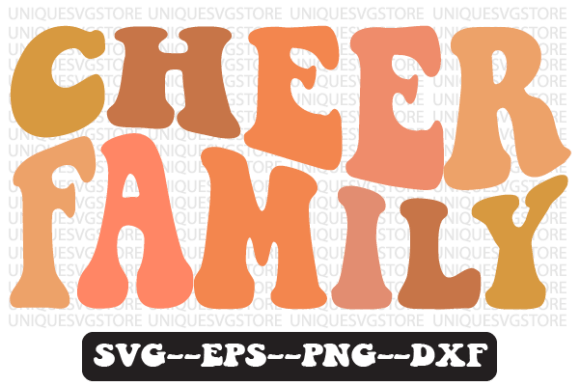
As a designer who spends half my life digitizing files and the other half testing them on actual fabric, I have learned to look past the glossy preview images. When I first opened the Cheer Fan Wavy Retro Svg Design, my immediate reaction was not just about aesthetics, but about structural integrity. In the world of embroidery, a pretty picture does not always translate to a durable finished product. This design, categorized under Crafts and Graphics, presents a specific challenge and opportunity for those of us creating handmade products for clients.
First Impressions and Visual Mood
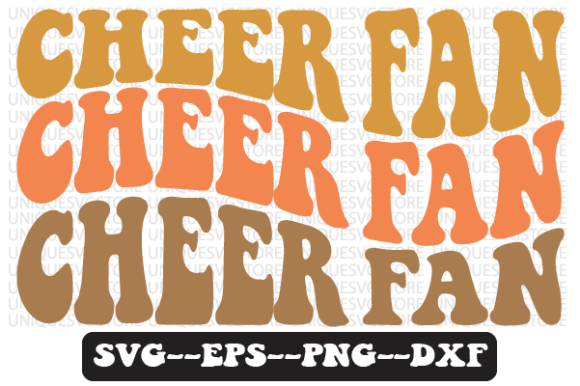
The wavy retro aesthetic is currently dominating social media feeds, but translating that fluid, organic vibe into thread requires careful planning. The design features bold, curving lines that suggest movement and nostalgia. For an embroidery project, this means we are dealing with significant directional changes. My first thought was about how these curves would behave under the needle. Would they pucker? Would the stitch density be too high in the tightest turns?
The mood is playful yet polished, making it ideal for a personalized gift or a boutique item. It does not scream "cheap novelty." Instead, it feels like something a customer would pay a premium for if executed correctly. The visual personality is confident, which is exactly what you want when branding a small shop product.
Real-World Application: The Custom Sweatshirt Test
To truly evaluate this file, I imagined a real-life scenario: a local cheer mom ordering a custom sweatshirt embroidery piece for her daughter’s team. She wants something that stands out but remains comfortable. The Cheer Fan Wavy Retro Svg Design fits this brief perfectly, provided we manage the substrate correctly.
If I were stitching this onto a heavy cotton blend hoodie, the bold lines would hold up well. The retro waves offer enough surface area for fill stitch coverage without looking blocky. However, if this were intended for a lightweight tank top, I would need to be cautious. The weight of the thread could distort the fabric. In this context, the design serves as a strong focal point for custom apparel, but it demands respect for the material it lands on.
Considerations for Different Hoop Sizes
One critical aspect of using any digital embroidery file is scaling. This design likely originates as an SVG, which is vector-based and scalable. However, embroidery machines do not scale infinitely without consequence. If you shrink this design too much for a small hoop size, such as a 4x4 inch hoop for a baby hat, the fine details of the waves might merge. The running stitch outlines could become indistinguishable from the fill areas.
Conversely, expanding it for a large tote bag design requires checking the stitch count. A larger design means more thread and more time. For a craft business, time is money. You must calculate whether the increased production time justifies the price point for the final Etsy seller listing.
Fabric and Stabilizer Strategy
The success of this design hinges on your choice of stabilizer and thread colors. Because the retro style often uses contrasting colors to highlight the waves, you need sharp definition. On dark fabrics, a white or light-colored underlay is non-negotiable to prevent the base color from peeking through.
For textured fabrics like terry cloth towels or fuzzy fleece, the smooth lines of the Cheer Fan Wavy Retro Svg Design might get lost. In these cases, consider using an applique design technique where the shape is cut from fabric and stitched down, rather than filled entirely with thread. This reduces bulk and maintains the crispness of the retro aesthetic. Always test on scrap fabric first. Never assume a machine embroidery design will behave the same way on jersey as it does on canvas.
Where to Use Caution
While versatile, this design is not universal. Avoid placing it on highly stretchy fabrics without proper stabilization, as the curved lines can warp during wear. Be wary of using it on curved surfaces like caps unless you have experience with 3D puff or specialized cap frames. The intricate waves may not lay flat on a structured crown. Additionally, if the design includes tiny text elements alongside the graphics, ensure they are legible at your intended size. Tiny lettering often fails in embroidery, turning into unreadable blobs after washing.
Commercial Viability and Brand Consistency
For commercial embroidery professionals, consistency is key. This design offers a cohesive look that can be adapted across various products, from baby embroidery on onesies to holiday embroidery on throw pillows. Using a consistent visual style helps build brand recognition. When customers see that distinct wavy retro look, they should associate it with your quality.
However, before selling, you must verify the license. The product description mentions it is a printable PNG sublimation design and SVG. Does the license allow for physical resale of embroidered items? Most graphic licenses differ from embroidery-specific licenses. Confirm whether you can use this as a design asset for commercial goods or if it is restricted to personal use. Never assume. Check the terms explicitly to protect your craft business from legal issues.
Final Designer Notes
Before running this on your customer’s expensive garment, follow these steps:
- Test on Scrap: Always stitch a sample on the same fabric type and weight.
- Check Contrast: View your printable mockup in black and white to ensure the design holds its shape without color reliance.
- Inspect Density: Look for areas where stitches overlap excessively, which can cause needle breaks or thread bunching.
- Verify Formats: Ensure you have the correct embroidery file format for your machine (PES, DST, JEF, etc.), as SVGs often need conversion or specific software handling.
- Wash Test: Wash and dry the test piece to check for shrinkage or distortion.
The Cheer Fan Wavy Retro Svg Design is a strong contender for modern embroidered patch work and apparel. It balances trendiness with classic structure. By respecting the technical limitations of embroidery and planning your materials carefully, you can turn this graphic into a high-value item that customers love. It is not just about the image; it is about the craftsmanship behind the stitch.