Review: Drink Coffee and Be Awesome Embroidery Design
As a designer who has spent countless hours digitizing and testing machine embroidery design files, I have learned that the difference between a charming handmade item and a professional-grade product often lies in the details. When I first encountered Drink Coffee and Be Awesome. Coffe Quote, my initial reaction was one of cautious optimism. The concept is universally appealing—coffee culture is not just a trend; it is a lifestyle for millions. However, translating a funny quote into a stitched reality requires more than just cute typography. It demands an understanding of how thread interacts with fabric, how density affects drape, and how visual balance translates to physical form.
First Impressions and Visual Personality
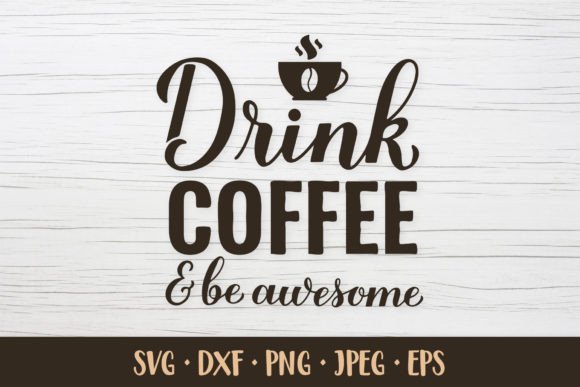
The mood of this piece is undeniably cheerful and bold. As part of the Illustrations category, it relies heavily on strong lines and clear messaging. For embroidery, this is generally a good sign. Complex gradients or subtle shading rarely translate well to thread, but high-contrast text and simple graphic elements do. The layout feels balanced, suggesting that the designer considered the negative space as much as the positive. This is crucial for maintaining the integrity of the embroidery project. If the letters are too close together, the stitches will merge, creating a blob rather than legible text. If they are too far apart, the design loses its cohesion.
When evaluating this as a potential asset for my own craft business, I look for versatility. Does it work on a dark navy hoodie? Will it pop on a natural linen tote? The simplicity of the quote suggests it can adapt to various thread colors, allowing for significant customization without losing readability. This flexibility is vital for any Etsy seller or boutique owner looking to offer personalized options to their clients.
Real-World Application: The Tote Bag Test
To truly understand the value of Drink Coffee and Be Awesome. Coffe Quote, I imagined applying it to a real-world scenario. Let’s say you are preparing a custom order for a local coffee shop owner who wants branded merchandise. A canvas tote bag is the perfect vessel. Canvas has a tight weave and sufficient weight to support moderate stitch density without puckering.
In this context, the design serves as both branding and a conversation starter. Using a satin stitch for the border or key emphasis words could add a nice sheen, while a fill stitch might be used for larger graphical elements if present. However, since this is primarily a quote, the focus remains on typography. I would recommend using a slightly heavier weight thread, such as 40wt polyester, to ensure the letters stand out against the textured fabric. The result would be a durable, washable handmade product that feels substantial and valuable to the end customer.
Considerations for Different Fabrics
While the design shines on sturdy materials like canvas or denim, caution is needed when moving to delicate fabrics. If you plan to use this on a lightweight cotton tee or a silky blouse, the stitch density becomes a critical factor. Heavy stitching on thin fabric causes pulling and distortion. In such cases, I always advise using a high-quality cut-away stabilizer to support the fabric during and after stitching. Additionally, reducing the density in your embroidery software—if the file allows for editing—can prevent the garment from becoming stiff or uncomfortable to wear.
For baby embroidery projects, such as a onesie or a burp cloth, the softness of the backing is paramount. Parents want cute designs, but they do not want scratchy threads against sensitive skin. Ensure that any satin columns are not too wide, as long satin stitches can snag easily. A running stitch outline might be a safer, softer alternative for smaller items where durability and comfort are prioritized over bold visual impact.
Navigating Technical Constraints
One of the most common mistakes makers make is ignoring hoop size limitations. Before purchasing or downloading any digital embroidery file, always check the dimensions. If Drink Coffee and Be Awesome. Coffe Quote is designed for a 5x7 hoop, trying to force it into a 4x4 hoop will result in cropped letters and a ruined project. Conversely, scaling it up significantly for a large blanket might expose jagged edges or pixelation if the original vector data is not robust.
It is also important to note the file formats provided. The description mentions SVG, DXF, PNG, JPEG, and EPS10. These are primarily cutting and print formats. For machine embroidery, you typically need PES, DST, JEF, or similar native machine files. If this product is marketed as an embroidery design, ensure that the actual embroidery files are included or clearly specified. If only vector graphics are provided, you will need to digitize the design yourself or hire a digitizer, which adds time and cost to your small shop product development.
Enhancing Product Value and Brand Consistency
Using a well-executed quote design like this can significantly boost the perceived value of your custom apparel. Customers are willing to pay more for items that feel unique and professionally finished. When the stitching is clean, the tension is balanced, and the design is centered perfectly, it builds trust. It tells the buyer that you care about quality. This is especially important for commercial embroidery clients who may be ordering in bulk for their teams or events.
Furthermore, this design fits seamlessly into seasonal collections. It works for holiday embroidery gifts, teacher appreciation presents, or just everyday morale boosters. By pairing it with complementary design assets, such as small coffee cup icons or steam swirls, you can create a cohesive collection that strengthens your brand identity. Consistency in style helps customers recognize your work, turning one-time buyers into loyal followers.
Practical Designer Notes
Before you start stitching on your final garment, always run a test on scrap fabric of the same type and weight. This allows you to check for registration issues, thread breaks, or color clashes. Use a printable mockup to visualize how the design will look on different colored garments before committing to thread. Remember that what looks good on screen may behave differently under the needle.
- Check Licensing: Confirm whether the license allows for commercial use of finished items. Some designers allow you to sell physical products but prohibit selling the digital file itself.
- Contrast is Key: Ensure your thread color contrasts sufficiently with the fabric. Light grey thread on white fabric will disappear, while bright yellow on black will pop.
- Stabilizer Selection: Match your stabilizer to your fabric. Tear-away for stable woven fabrics, cut-away for knits and stretchy materials.
- Needle Choice: Use a fresh embroidery needle appropriate for the thread weight to prevent shredding and skipped stitches.
In conclusion, Drink Coffee and Be Awesome. Coffe Quote offers a solid foundation for a variety of creative projects. Its strength lies in its simplicity and universal appeal. By paying attention to technical details like hoop size, stabilizer choice, and fabric compatibility, you can transform this digital graphic into a tangible, high-quality finished product that delights customers and enhances your portfolio. Whether you are creating a single personalized gift or stocking your online store, this design has the potential to perform well if handled with professional care and artistic insight.