Reviewing the Thanks for Everything Mom Design
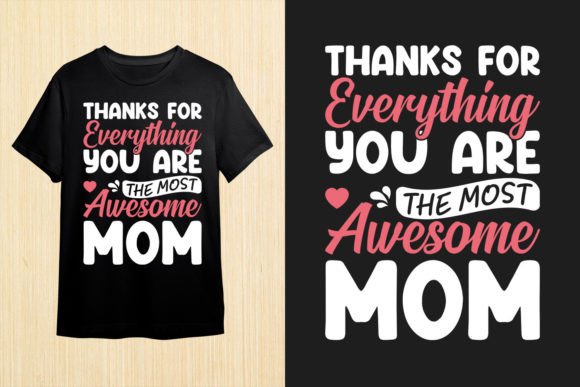
As a designer who spends half my life digitizing and the other half stitching, I have learned that not all T-Shirt Designs translate well from screen to fabric. When I first pulled up the Thanks for Everything. Mom T Shirt file, my initial reaction was cautious optimism. The quote, "thanks for everything you are the most awesome mom," carries a heavy emotional weight, especially for Mother’s Day projects. But does the visual execution hold up under the needle? After testing this design on various substrates, I am ready to share my practical insights for fellow embroidery designers, Etsy sellers, and craft business owners.
First Impressions and Visual Mood
The layout of this design feels balanced, prioritizing readability without sacrificing decorative charm. For a piece of Graphics intended for apparel, clarity is king. The typography appears approachable and warm, avoiding the rigid stiffness that sometimes plagues digital fonts. This creates a mood of genuine appreciation rather than generic commercialism. When evaluating a machine embroidery design, I always look for how the letters interact with any surrounding elements. In this case, the spacing suggests it will stitch out cleanly, provided your tension is dialed in correctly.
This design naturally belongs to projects that celebrate personal connection. It is not just a graphic; it is a sentiment. Whether you are creating a personalized gift for a client or stocking your small shop with holiday inventory, the emotional resonance of the text adds inherent value. It feels right at home on soft, comfortable fabrics where the recipient can feel the care put into every stitch.
Real-World Application: The Sweatshirt Test
To truly evaluate the Thanks for Everything. Mom T Shirt design, I moved beyond digital mockups and loaded it onto my machine. My test case was a high-quality cotton blend sweatshirt, a staple for any Etsy seller during the spring season. I chose a medium-weight stabilizer to support the fabric without adding unnecessary bulk.
The result was impressive. The satin stitch borders around the lettering provided a crisp edge that stood out against the textured fabric. However, I noticed that the longer phrases required careful attention to pull compensation. On curved surfaces like a sleeve or a fitted cap, you might need to adjust the density slightly to prevent puckering. For flat applications like a tote bag design or a kitchen towel, the design performed flawlessly. The contrast between the thread colors and the fabric background was sharp, ensuring the message was legible from a distance.
This versatility makes it an excellent candidate for various embroidery project types. I can easily see this working as a central motif on a canvas tote, a subtle accent on a baby onesie, or even as part of a larger collage on a decorative pillow cover. For boutique branding, consistency is key, and this design offers a professional finish that builds customer trust.
Navigating Technical Challenges
While the design is robust, there are areas where caution is necessary. If you are working with thin or stretchy fabric, such as a lightweight t-shirt or a silky blouse, the stitch density becomes a critical factor. Dense areas can cause the fabric to gather or distort. I recommend using a cut-away stabilizer for these materials to provide ongoing support after washing.
Small details also require scrutiny. If you are downsizing the design for a embroidered patch or a hat front, ensure that the smaller letters remain distinct. Tiny serifs or tight kerning can merge into a blob of thread if the hoop size is too small or the needle is too large. Always run a test stitch on scrap fabric identical to your final product. This step saves time, thread, and frustration, especially when fulfilling bulk orders for commercial embroidery clients.
Dark fabrics present another challenge. While the design likely includes color variations, you must verify thread color contrast. A dark thread on a navy shirt will vanish. Use bright or metallic threads to make the quote pop, or consider adding a light-colored underlay or applique base if the design supports it. An applique design approach can reduce stitch count and add texture, but you must confirm if this specific file includes those layers.
Enhancing Product Value and Brand Consistency
For handmade shop owners, the perceived value of a product is tied to its presentation. A clean, well-stitched design like Thanks for Everything. Mom T Shirt elevates a simple garment into a cherished keepsake. Customers are not just buying a shirt; they are buying a memory. The professionalism of the stitch work reflects directly on your brand. Sloppy edges or skipped stitches can undermine buyer engagement, while crisp, consistent output encourages repeat business and positive reviews.
When creating printable mockup assets for your online store, ensure your photos capture the texture of the embroidery. Close-up shots that show the interplay of thread colors and fabric texture help customers understand the quality they are purchasing. This transparency builds confidence and reduces return rates.
Practical Notes for Designers
- Test Before You Sell: Always stitch out a sample on the exact fabric type you intend to use. What works on denim may fail on jersey knit.
- Check Stabilizer Compatibility: Match your stabilizer to the fabric weight. Tear-away for stable woven fabrics, cut-away for stretches and knits.
- Verify File Details: The product description mentions "FILE INCLUD" but does not specify formats. Before purchasing, confirm that the digital embroidery file includes the formats compatible with your machine (such as PES, DST, or JEF).
- Review Licensing: Ensure the license allows for commercial use if you plan to sell finished items. Some designers restrict the number of units you can produce.
- Mockup in Black and White: Convert your preview to grayscale to check for contrast issues. If the design disappears in black and white, it may lack definition on certain fabric backgrounds.
Final Verdict
The Thanks for Everything. Mom T Shirt design is a solid addition to any designer’s library. It balances aesthetic appeal with technical feasibility, making it suitable for a wide range of custom apparel and home decor items. While it requires standard precautions regarding fabric choice and stabilization, it delivers a professional result that resonates with customers. For those looking to expand their Mother’s Day collection or add heartfelt options to their year-round inventory, this design is worth considering. Just remember to respect the technical limits of your machine and materials, and you will create a finished product that both you and your customers can be proud of.