Reviewing the I Teach Awesome Kids Design
As a designer who spends half my life digitizing and the other half stitching, I have learned that not every graphic translates well to thread. When I first pulled up I Teach Awesome Kids -Autism Awareness R, my immediate reaction was one of cautious optimism. The concept is powerful, but in the world of embroidery, sentiment must be backed by technical execution. This review breaks down how this specific design holds up when moved from a screen to a real-world embroidery project.
First Impressions and Visual Personality
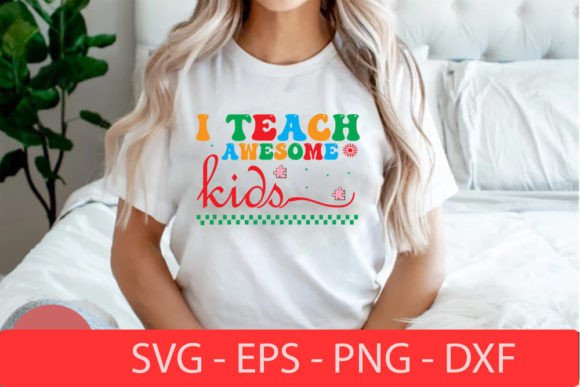
The mood of this piece is warm, inclusive, and professional. It avoids the cluttered aesthetic that sometimes plagues awareness-themed graphics, opting instead for a cleaner layout that suggests clarity and care. For an experienced eye, the shape and detail level are critical. If the lines are too thin, they vanish under satin stitch coverage; if they are too dense, the fabric puckers. From what I can observe in the preview, the balance here seems intentional. It feels like a design meant to be seen and felt, not just printed.
This visual personality makes it a strong candidate for T-Shirt Designs and broader Graphics applications, but its true potential lies in texture. The way the elements are arranged suggests it would sit comfortably on a chest pocket or as a central motif on a tote. It does not scream for attention with chaotic details but rather invites a closer look, which is exactly what you want for a message about teaching and awareness.
Real-World Application: The Custom Tote Scenario
To truly evaluate I Teach Awesome Kids -Autism Awareness R, I imagined a specific client request. A local special education teacher wanted a durable, stylish bag for her classroom supplies and personal items. She needed something that identified her role without being overly clinical. This design fit the brief perfectly.
In this scenario, I would likely choose a heavy canvas tote bag design approach. Canvas handles fill stitch areas beautifully because the fabric has enough body to support the weight of the thread. Using a cut-away stabilizer would ensure the design remains crisp after months of carrying books and sensory tools. The result would be a handmade product that feels substantial and high-quality, elevating the perceived value far beyond a simple printed shirt.
However, versatility is key. This same design could transition seamlessly into sweatshirt embroidery. On a fleece or cotton-blend hoodie, the softness of the thread complements the comforting message. It becomes a personalized gift that a teacher might receive from a grateful parent, or a small shop product that an Etsy seller could offer during Teacher Appreciation Week. The adaptability of the layout allows it to work on curved surfaces like caps, provided the hoop size is appropriate and the design is scaled down to avoid distortion.
Technical Considerations for Embroiderers
Before loading any digital embroidery file into your machine, you must consider the substrate. While this design appears robust, there are areas where caution is necessary. If you are working with thin or stretchy fabric, such as a lightweight jersey t-shirt, you must pay close attention to stitch density. High-density areas can cause pulling or gaping if the stabilizer is not sufficient. I always recommend testing on scrap fabric first, especially if you are new to working with this specific style of machine embroidery design.
Another critical factor is color contrast. Since this is an autism awareness piece, the traditional puzzle piece colors or infinity loop hues might be involved. You need to ensure your thread colors pop against the background. A dark navy sweatshirt might require lighter threads for visibility, while a white apron could handle bold, vibrant tones. Always check your design in black and white mockups first. If the details disappear in grayscale, they will likely get lost in low-light conditions or from a distance in the finished product.
For those considering this for commercial embroidery or batch production, consistency is vital. Ensure that your tension settings are calibrated. A slight variation in tension can change the look of a satin stitch border significantly. If the design includes small text or intricate corners, verify that your needle size is appropriate to prevent shredding the thread or missing stitches.
Navigating File Formats and Usage
It is important to note what you are actually receiving. The product description states you will receive a zip file with SVG, PNG, EPS, and DXF formats. These are primarily vector and image files, often used for cutting machines or printing. For direct machine embroidery design use, you typically need DST, PES, or JEF files. If these specific embroidery formats are not included in the "major" formats mentioned, you may need to use digitizing software to convert the SVG or DXF into a stitch file. Always confirm license terms before selling finished product items. Some licenses allow for physical sales but restrict digital redistribution.
If you are using this for print-on-demand or vinyl cutting, the SVG and EPS files are ideal. They scale without losing quality, making them perfect for large printable mockup presentations or large-format decals. However, for actual stitching, the conversion process requires an understanding of how vectors translate to paths. A sharp corner in an SVG might need a tie-in stitch in embroidery to prevent unraveling.
Building Trust and Brand Value
Using a well-executed design like I Teach Awesome Kids -Autism Awareness R impacts more than just aesthetics; it builds trust. When customers see clean, professional stitching on a custom apparel item or an embroidered patch, they associate that quality with your brand. It signals that you care about the details. For craft business owners, this reliability leads to repeat buyers and positive reviews.
Whether you are creating holiday embroidery gifts or everyday baby embroidery items, the professionalism of the design reflects on you. It helps in creating a cohesive brand identity. If your shop specializes in educational or awareness-themed items, this design fits naturally into your catalog without feeling out of place. It enhances buyer engagement because it resonates emotionally while looking technically sound.
Final Verdict for Makers
In conclusion, I Teach Awesome Kids -Autism Awareness R is a versatile asset for designers who understand the nuances of thread and fabric. It is not just a graphic; it is a starting point for meaningful design assets. Whether you are making a single personalized gift or stocking your small shop product line, take the time to test your materials. Check your hoop size, select the right stabilizer, and choose thread colors that honor the message. With careful execution, this design can become a staple in your portfolio, appealing to teachers, parents, and advocates alike.