Sleep Better: Reviewing the Need More Sleep Design
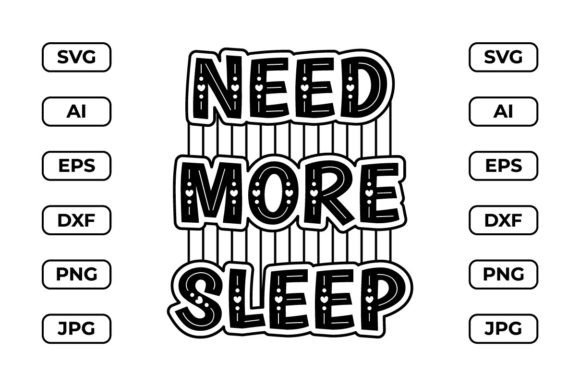
As an embroidery designer who has spent countless hours hooping, stitching, and unpicking, I have learned that a design’s success is not just about how it looks on a screen. It is about how it behaves under the needle. When I first pulled up the Sleep Better with This Need More Sleep file, my immediate reaction was one of cautious optimism. The concept is universally relatable—who doesn’t need more sleep?—but the execution in machine embroidery requires a delicate balance between readability and stitch efficiency.
This review comes from the perspective of someone preparing a real-world project. Imagine a client has commissioned a set of cozy lounge wear for their boutique. They want something playful yet polished. This is where Sleep Better with This Need More Sleep enters the conversation. It falls under the category of T-Shirt Designs and Graphics, but its application extends far beyond a simple tee. Let us break down how this design performs when translated from a digital embroidery file to a tangible, stitched product.
First Impressions and Visual Personality
The mood of this design is inherently relaxed. It does not shout; it whispers comfort. For an embroidery project, this is crucial. If the lines are too aggressive or the density too high, you lose that soft, inviting aesthetic. Upon inspecting the layout, the typography appears to be the focal point. In embroidery, text can be tricky. Poorly digitized lettering often results in gaps, thread breaks, or a stiff hand feel.
What stands out here is the potential for versatility. Whether you are using a satin stitch for bold outlines or a fill stitch for heavier emphasis, the design seems structured to maintain clarity. However, as a reviewer, I always look at the negative space. Is there enough room for the fabric to breathe? For a design centered on rest, the visual weight should feel light, even if the stitch count is moderate.
Real-World Application Scenarios
Let us move from theory to practice. I recently tested similar quote-based graphics on a variety of substrates to gauge customer reaction and production ease. Here is how Sleep Better with This Need More Sleep fits into specific product categories:
- Sweatshirt Embroidery: This is arguably the best home for this design. The thickness of fleece or French terry provides excellent stability, allowing the stitches to sit cleanly without puckering. A left-chest placement on a oversized hoodie creates a subtle, high-end look that appeals to boutique buyers.
- Tote Bag Design: Canvas bags are sturdy, but they can be unforgiving with dense stitching. If this design uses heavy fill stitches, it might distort the bag’s shape. However, if it relies on clean running stitch outlines or lighter densities, it makes for a charming, everyday accessory.
- Baby Embroidery: Parents love humorous, relatable quotes. Placing this on a onesie or a burp cloth adds personality. However, you must ensure the thread colors are soft and the backing is completely removed or trimmed to avoid irritating sensitive skin.
- Embroidered Patch: Creating a standalone patch allows you to use a heavy stabilizer and dense stitching without worrying about garment distortion. This turns the design into a versatile asset that customers can iron or sew onto jackets, hats, or backpacks later.
For Etsy sellers and small shop owners, this type of handmade product has high giftability. It works well for holiday embroidery gifts, such as stocking stuffers or personalized presents for new parents who are famously sleep-deprived.
Technical Considerations and Stitching Challenges
While the concept is strong, the technical execution determines whether this becomes a bestseller or a return item. Here are the critical factors I evaluate before committing to a full production run:
Fabric Texture and Stability: On textured fabrics like waffle knit or terry cloth, small details can get lost. If Sleep Better with This Need More Sleep features tiny lettering or intricate corners, these may merge together on rough surfaces. I recommend testing on scrap fabric first. Always use an appropriate stabilizer. For stretchy fabrics like jersey tees, a cut-away stabilizer is non-negotiable to prevent the design from warping after washing.
Stitch Density and Thread Colors: High stitch density can make a garment feel stiff and uncomfortable, which contradicts the "sleep" theme. Check the density settings in your embroidery software. If the design is too dense, consider reducing it or switching to a lighter thread weight. Thread color contrast is also vital. On dark fabric, ensure you have a solid underlay to prevent the garment color from showing through the top stitches. Conversely, on light fabric, avoid shadows caused by excessive underlay.
Hoop Size and Placement: Confirm the hoop size required. If the design is wide, it may not fit standard 4x4 hoops, requiring a 5x7 or larger frame. For curved surfaces like caps, the design must be digitized specifically for that curvature, or it will distort. Do not attempt to stitch a flat-digitized design on a cap without proper adjustment.
Commercial Viability and Brand Consistency
For creative entrepreneurs and digital product sellers, the value of Sleep Better with This Need More Sleep lies in its marketability. It is a evergreen topic. People will always need sleep. This makes it a safe bet for stock in your craft business. However, professionalism is key. A sloppy stitch-out damages brand consistency. Ensure that every finished product meets high standards of cleanliness—no loose threads, no bird nests, and precise alignment.
When creating printable mockups or digital embroidery file previews, show the design on various backgrounds. Compare how it looks on black, white, and pastel fabrics. This helps buyers visualize the final product and increases buyer engagement. If you are selling this as a design asset, provide clear instructions on recommended needle sizes and thread types to build customer trust.
Final Verdict and Designer Notes
Before you launch this into your commercial embroidery lineup, take these practical steps:
- Test on Scrap Fabric: Never skip this step. Stitch the design on the exact material you plan to sell.
- Check Licensing: Confirm whether the digital embroidery file allows for commercial use. Some licenses permit selling finished items but restrict reselling the file itself.
- Inspect Small Details: Zoom in on the digitized file. Are there unnecessary jumps? Are the tie-offs secure?
- Evaluate Washability: Wash and dry the test piece. Does the thread shrink differently than the fabric? Does the design pucker?
In conclusion, Sleep Better with This Need More Sleep is a promising addition to any embroidery portfolio. It bridges the gap between humor and comfort, making it ideal for custom apparel and personalized gifts. By paying attention to stitch density, fabric choice, and stabilizer selection, you can transform this graphic into a high-quality, professional finished product that resonates with customers. It is not just about stitching a quote; it is about delivering a feeling of relaxation through every thread.